
For many families, one of the first concerns when hiring a nanny from abroad is communication. Parents naturally want to feel confident that they can clearly explain routines, expectations, and preferences without confusion. At the same time, they want their child to feel understood, comforted, and engaged throughout the day.
This concern becomes even more important in childcare, where communication goes beyond simple instructions. It includes how a caregiver responds to a child’s needs, how they explain things, and how they build a connection through everyday conversation. Even small misunderstandings can create stress if communication is not clear and consistent.
Because of this, families often ask a very direct question: Do Filipino nannies speak English well enough to communicate effectively in daily life?
The answer is generally reassuring, but it’s also helpful to understand why. Language ability is not only about vocabulary or grammar. It is shaped by education, daily exposure, and real-life experience. In the case of Filipino nannies, these factors often come together in a way that supports strong and practical communication skills.
In this guide, we’ll take a closer look at the English proficiency of Filipino nannies, how it impacts childcare, and what families can realistically expect when it comes to daily communication.
Do Filipino Nannies Speak English?
For families considering a Filipino nanny, the question of English proficiency is usually the first point of clarity they seek. In most cases, the answer is straightforward: yes, Filipino nannies generally speak English, and often at a functional or fluent level suitable for daily childcare and communication.
English is one of the official languages of the Philippines and is widely used across education, business, and everyday life. This means that many individuals grow up hearing, reading, and speaking English from an early age. As a result, communication in English is not treated as a foreign skill, but as a normal part of daily interaction.
This widespread use can be seen in different areas of life:
- Education systems that teach most subjects in English
- Media such as television, online content, and books
- Workplace communication in both local and international settings
Because of this exposure, many Filipino nannies develop practical communication skills that go beyond memorized phrases. They are often comfortable understanding instructions, asking questions, and holding everyday conversations with both adults and children.
English is widely spoken and used in daily life in the Philippines. This is one of the key reasons why families around the world feel confident working with Filipino caregivers.
That said, it’s also important to recognize that language proficiency can vary from person to person. Some nannies may speak very fluently, while others may use simpler sentence structures but still communicate effectively. In childcare, clarity, consistency, and understanding are often more important than perfect grammar.
For most families, the experience is not about overcoming a language barrier, but about building a natural communication flow that becomes easier with time and daily interaction.
Why Filipino Nannies Are Comfortable in English
The comfort that many Filipino nannies have with English is not accidental. It is the result of long-term exposure that begins early in life and continues through education and work experience. Because English is integrated into daily systems, it becomes a practical communication tool rather than a learned subject used only in specific situations.
One of the main reasons is the education system. In the Philippines, English is widely used as the primary language of instruction in schools. From an early age, children learn to read, write, and express ideas in English across different subjects. This creates a strong foundation that continues into adulthood.
This foundation is supported by everyday exposure:
- School lessons and textbooks delivered in English
- Media consumption such as TV, films, and online content
- Social and professional environments where English is commonly used
Because of this, many Filipino nannies develop confidence in understanding and responding in real-life situations, not just structured conversations.
Another important factor is work experience. Many Filipino caregivers have experience working with international families or in multicultural environments. This exposure helps them adapt their communication style, making it clearer and more practical for daily interactions.
In practice, this often means:
- Understanding instructions quickly without repeated explanation
- Communicating needs or concerns in a direct and simple way
- Adjusting language based on the child’s age and understanding
These are practical skills that matter more than perfect grammar in a childcare setting.
Overall, Filipino nannies tend to feel comfortable using English because it is part of their routine, not something they switch on occasionally. This familiarity helps create smoother communication with parents and a more natural interaction with children.
How Language Skills Impact Childcare
In a childcare setting, language is more than a way to exchange information. It shapes how routines are followed, how emotions are understood, and how relationships are built. When a nanny can communicate clearly, daily life becomes smoother for both the child and the parents.
For parents, strong communication means being able to explain expectations without hesitation. Whether it’s describing a feeding routine, setting boundaries, or giving specific instructions, clarity reduces the risk of misunderstandings. It also allows parents to feel more confident that their preferences are being followed consistently.
This clarity shows up in everyday situations such as:
- Explaining schedules, rules, and household expectations
- Asking questions when something is unclear
- Sharing updates about the child’s day in a meaningful way
When communication flows easily, small issues are addressed early instead of becoming larger concerns.
For children, language plays a different but equally important role. The way a nanny speaks, listens, and responds helps shape how a child learns to express themselves. Through daily interaction, children begin to understand words, tone, and meaning in a natural and supportive environment.
In practice, this often includes:
- Talking through activities as they happen
- Responding to the child’s words and gestures
- Encouraging simple conversations during play and routines
These interactions support both understanding and confidence.
Good communication builds trust and reduces misunderstandings. It allows the nanny to become a reliable part of the child’s daily life while giving parents peace of mind.
Over time, this consistency creates a stronger connection. The child feels understood, the nanny feels confident in their role, and parents experience a smoother, more predictable caregiving dynamic.
Communication in Daily Routine
In a typical day, communication is not limited to specific moments — it happens continuously, shaping how smoothly everything runs. From the morning routine to the end-of-day update, the way a nanny communicates directly affects clarity, comfort, and trust.
For parents, daily communication provides visibility into what happens throughout the day. Even simple updates can make a difference, helping them stay connected and informed without needing to ask for every detail.
This often includes:
- Sharing short updates about meals, naps, and activities
- Noting changes in mood, behavior, or energy levels
- Asking quick questions when something is unclear
These small exchanges help prevent confusion and keep expectations aligned.
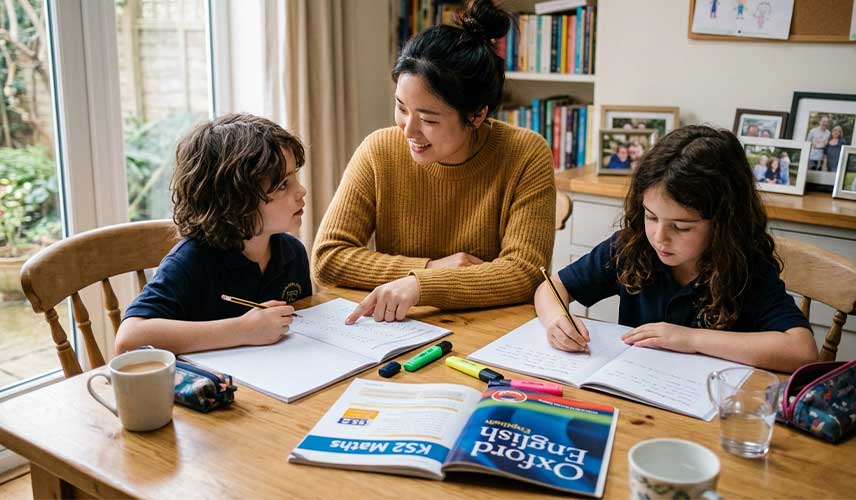
For children, communication is more interactive and constant. A nanny who speaks regularly during activities creates a more engaging and supportive environment. Instead of silent supervision, the child experiences ongoing interaction that encourages both understanding and expression.
In daily routines, this may look like:
- Describing actions during play or tasks
- Asking simple questions to encourage response
- Using clear and calm language during transitions
This kind of communication helps children feel involved rather than directed.
There are also moments when communication becomes especially important, such as unexpected situations or emergencies. In these cases, the ability to explain clearly and act quickly can make a significant difference.
Strong communication in daily routines builds consistency. When both the child and the parents receive clear, predictable interaction, the entire caregiving experience becomes more stable and reassuring.
Over time, these patterns create a natural rhythm where communication feels effortless rather than forced.
Supporting Children’s Language Development
Language development in early childhood happens through constant exposure and interaction rather than formal teaching. The words a child hears, the responses they receive, and the conversations they are part of all contribute to how quickly and confidently they begin to communicate.
Filipino nannies often support this process through consistent and natural communication. Because English is already part of their daily use, they tend to speak with children throughout routines and activities, creating an environment where language is always present.
This kind of exposure often includes:
- Talking during everyday routines such as meals, dressing, or playtime
- Naming objects, actions, and emotions as they occur
- Repeating words and phrases to reinforce understanding
These repeated interactions help children connect words with meaning in a practical way.
Reading and storytelling also play an important role. Even short sessions during the day introduce new vocabulary and sounds while helping children develop attention and listening skills. Over time, these moments support both comprehension and expression.
In daily practice, this may look like:
- Reading simple books and describing pictures
- Asking questions about what the child sees or hears
- Encouraging the child to respond, even with simple words or gestures
These small steps gradually build confidence in communication.
Children learn language through daily interaction. The more they are included in conversations, the more comfortable they become expressing their needs and ideas.
For families, this means that a nanny is not only caring for the child but also contributing to how they speak, understand, and connect with others. Over time, this consistent exposure creates a strong foundation for language development that continues into later stages of learning.
What Level of English Should Parents Expect?
When hiring a Filipino nanny, most families are not looking for perfect grammar or advanced vocabulary. What truly matters is the ability to communicate clearly, understand instructions, and interact naturally in daily situations. In practice, this level of communication is what makes childcare smooth and effective.
English proficiency can vary from person to person, but in most cases, Filipino nannies are able to handle everyday communication with ease. Some may speak very fluently, while others may use simpler language but still express themselves clearly and confidently.
In daily life, parents can generally expect:
- Clear understanding of instructions and routines
- Ability to describe what happened during the day
- Comfort in asking questions when something is unclear
These skills are often more important than formal language accuracy.
It’s also helpful to recognize that accents and speaking styles may differ. This is natural and usually becomes easier to understand over time. What matters most is clarity and consistency rather than pronunciation perfection.
In practical situations, effective communication often looks like:
- Using simple and direct sentences
- Confirming understanding when needed
- Adjusting language based on the child’s age
These habits help ensure that both sides stay aligned.
Most families find that communication becomes more natural within a short period of time. As routines settle and familiarity grows, both parents and nanny adapt to each other’s way of speaking.
Overall, the expectation should be functional and reliable communication rather than perfection. When this level is present, it supports not only daily routines but also trust and long-term cooperation.
Common Concerns About Language
Even when families know that Filipino nannies generally speak English, it is still natural to have a few concerns about how communication will work in real life. These concerns are often not about whether communication is possible, but about how smooth and comfortable it will feel on a daily basis.
One of the most common concerns is accent. Because Filipino nannies may have a different pronunciation style, parents sometimes worry about understanding or being understood clearly. In practice, this usually becomes easier within a short time, as both sides adapt to each other’s way of speaking.
Some typical concerns include:
- Differences in accent or pronunciation
- Use of simpler vocabulary in certain situations
- Fear of small misunderstandings in daily communication
These are normal considerations, especially at the beginning of a new working relationship.
Another concern is whether language differences might affect the child. Parents may wonder if exposure to different accents or sentence structures could confuse early language development. In most cases, the opposite is true. Children are highly adaptable and often benefit from hearing varied speech patterns, as long as communication is clear and consistent.
In daily situations, these concerns are usually addressed through:
- Repetition and clarification when needed
- Using simple and direct language
- Building familiarity through regular interaction
As communication becomes more natural, these initial worries tend to fade.
Understanding these concerns is important, but it is equally important to see how manageable they are in practice. With time, consistency, and open communication, most families find that language becomes one of the easiest parts of the relationship rather than a barrier.
How to Ensure Good Communication
Even when a nanny has strong English skills, effective communication does not happen automatically. It is built through clear expectations, consistency, and a shared effort from both parents and the nanny. When this foundation is set early, communication becomes smoother and more natural over time.
At the beginning, clarity is key. Taking the time to explain routines, preferences, and priorities helps avoid confusion later. Instead of assuming that everything is understood, it is more effective to be specific and direct.
This often includes:
- Explaining daily routines step by step
- Clarifying expectations around childcare and household tasks
- Confirming understanding through simple follow-up questions
These steps create a shared starting point for communication.
As the relationship develops, regular feedback becomes just as important. Small adjustments and open conversations help refine how communication works in practice. When feedback is given calmly and clearly, it supports improvement without creating pressure.
In daily interaction, this may involve:
- Sharing short, consistent updates about the day
- Addressing small issues early before they grow
- Encouraging questions and open dialogue
This ongoing exchange helps both sides stay aligned.
Another important factor is tone. Communication is not only about words, but also about how they are delivered. A calm and respectful approach encourages openness, while a tense or overly critical tone can make communication more difficult.
Good communication is built, not assumed. When parents and nannies actively work on it together, it becomes one of the strongest parts of the relationship.
Over time, this effort leads to a more comfortable dynamic where both sides understand each other more easily, and daily interactions feel clear, efficient, and supportive.
FAQ
Do Filipino nannies speak fluent English?
Many Filipino nannies speak English at a functional or fluent level. While fluency may vary, most are able to communicate clearly in daily situations.
Will language be a barrier in daily childcare?
In most cases, no. Communication is usually smooth, especially after a short adjustment period where both sides become familiar with each other.
Do Filipino nannies understand instructions easily?
Yes. Due to their background and experience, they are generally comfortable understanding and following daily routines and instructions.
Can Filipino nannies help with a child’s English development?
Yes. Regular interaction, conversation, and reading can support language development in a natural way.
What if there is a misunderstanding?
Small misunderstandings can happen in any relationship. Clear communication, repetition, and feedback usually resolve them quickly.
Conclusion
For families considering a Filipino nanny, concerns about language are completely natural. Communication is a central part of childcare, and feeling understood — and being able to understand — creates confidence from the very beginning.
In most cases, Filipino nannies bring a level of English proficiency that supports daily routines, clear interaction, and meaningful connection with both parents and children. Their familiarity with English through education, daily life, and work experience allows them to communicate in a way that is practical and reliable.
This advantage becomes visible in everyday situations:
- Clear communication of routines and expectations
- Natural interaction with children during play and care
- Consistent updates that keep parents informed
These elements contribute to a smoother and more predictable caregiving experience.
Over time, communication becomes even more effortless. As both sides grow familiar with each other’s style, small differences such as accent or phrasing become less noticeable. What remains is a clear and functional exchange that supports trust and cooperation.
For families, this means that language is rarely a barrier. Instead, it often becomes one of the strengths of working with a Filipino nanny, especially when supported by open communication and clear expectations.
If you are looking for a nanny who can communicate effectively and integrate smoothly into your daily routine, working with a trusted agency can help you find the right match. At filipinonanny.agency, families are connected with experienced Filipino nannies who are prepared to support both communication and quality childcare from day one.